

Annually Forest Fires Threaten Biodiversity and Water Sources in Parbat


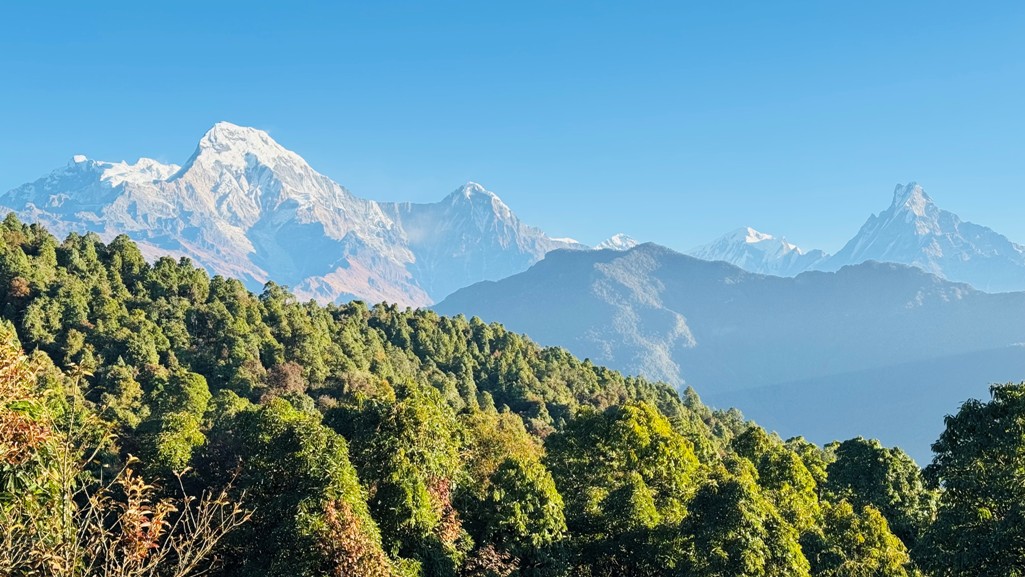

Ganesh Paudel/Parbat, Nepal — Recurrent forest fires in Thulipokhari, Ward No. 12 of Kushma Municipality, Parbat District, have emerged as a serious threat to local biodiversity, wildlife habitats, medicinal herbs, and water sources, according to local residents.
Every year, forest fires spread through nearby community forests, causing damage to protected wildlife species and destroying valuable medicinal plants. Residents also report that natural water springs in the area have been drying up, further intensifying water scarcity in the village.
विज्ञापन



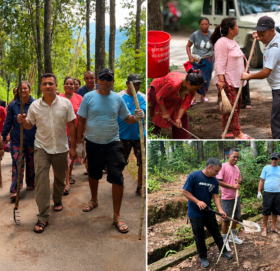
Local people say the increasing frequency of forest fires has had a direct impact on biodiversity conservation and local livelihoods. In response, the community has initiated a rotational fire-watch system (locally known as “laure paalo”) in community forests to prevent and control fire outbreaks.
According to local resident Tank Prasad Paudel, the repeated forest fires have not only destroyed important forest resources but have also contributed to the drying of water sources, creating growing water shortages in the community.
“The annual forest fires are destroying medicinal herbs and wildlife in our community forests. At the same time, the drying up of water sources has made it difficult for villagers to access drinking water,” Paudel said.
Community members believe that the fire-prevention system has helped reduce the risk of forest fires and protect remaining forest resources. The initiative is also contributing to biodiversity conservation by safeguarding plants, wildlife habitats, and soil moisture in the forest ecosystem.
Environmental experts emphasize that uncontrolled forest fires are becoming a growing concern in Nepal’s mid-hill regions due to rising temperatures, dry conditions, and human activities. Such fires not only degrade forest ecosystems but also disrupt water cycles by damaging vegetation that helps retain soil moisture and support groundwater recharge.
The Thulipokhari community’s initiative demonstrates how local participation can play a crucial role in environmental protection. By actively monitoring forests and preventing fires, residents are working to preserve biodiversity and ensure sustainable access to natural resources.
As climate change continues to intensify environmental risks, experts say community-based forest management and fire prevention strategies will be essential for protecting Nepal’s fragile ecosystems and ensuring long-term ecological balance.




चर्चामा
सम्बन्धित समाचार
























फेसबुक प्रतिक्रियाहरु